


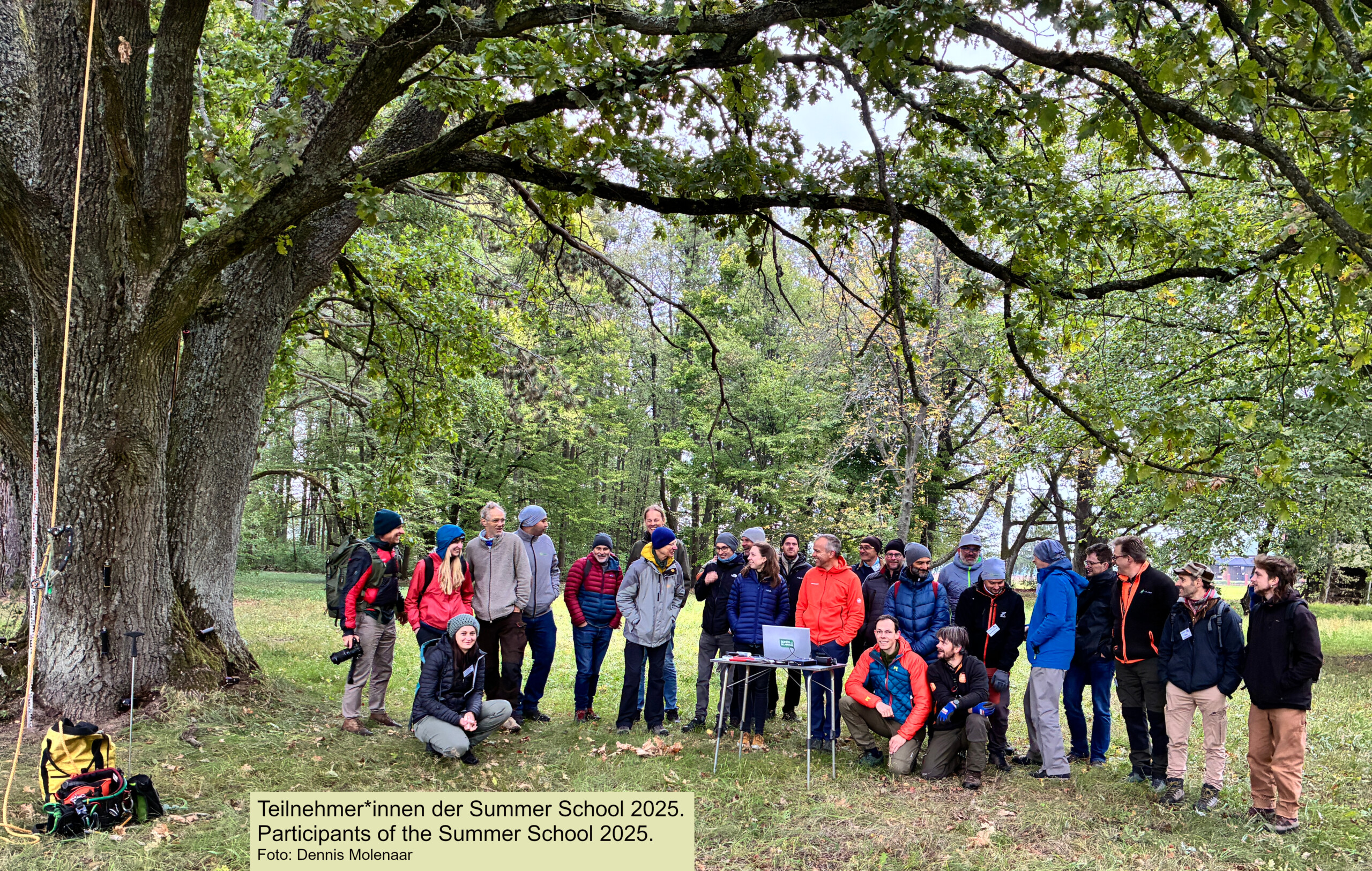



From 28 September to 1 October 2025, 32 participants from nine countries gathered in Białowieża on Poland’s eastern border for the second Summer School organised by the Sachverständigen Arbeitsgemeinschaft Baumstatik e. V (SAG). The event, which lasted several days, concluded with a lecture day, to which the general public was also invited. Immediately afterwards, on 2 October, the SAG held its annual general meeting.
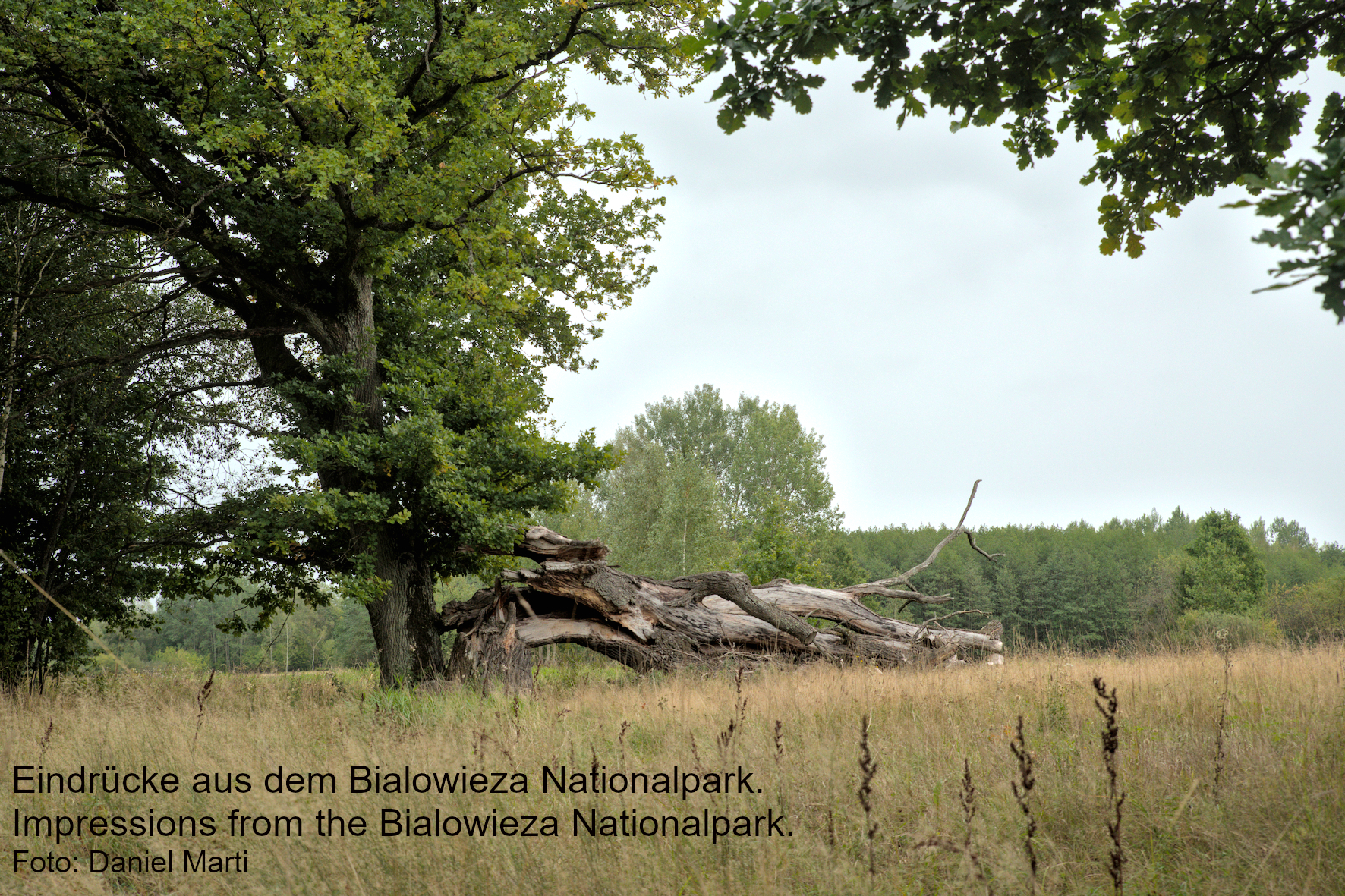
This year’s Summer School began on Sunday, 28 September, with a highlight: divided into three groups, participants enjoyed an eight-hour guided tour through the strictly protected core zone of Białowieża National Park, which has been declared a UNESCO World Heritage Site as Europe’s last primeval forest. The area, which also extends into Belarusian territory, was originally a sacred Slavic cult and burial site before the forest became a royal hunting ground and, in 1932, Poland’s first national park.
Its status protected the forest from excessive human intervention for many centuries or even millennia, before numerous old trees in the protected area were felled by the Russians and Germans in the 20th century during the two world wars. According to the rangers, the forest is now back in good condition and immune to events such as forest fires, as it has enormous water storage potential. Climate change has also had no impact on the forest so far, because although the species composition is changing, the number of trees and stock density remain the same.
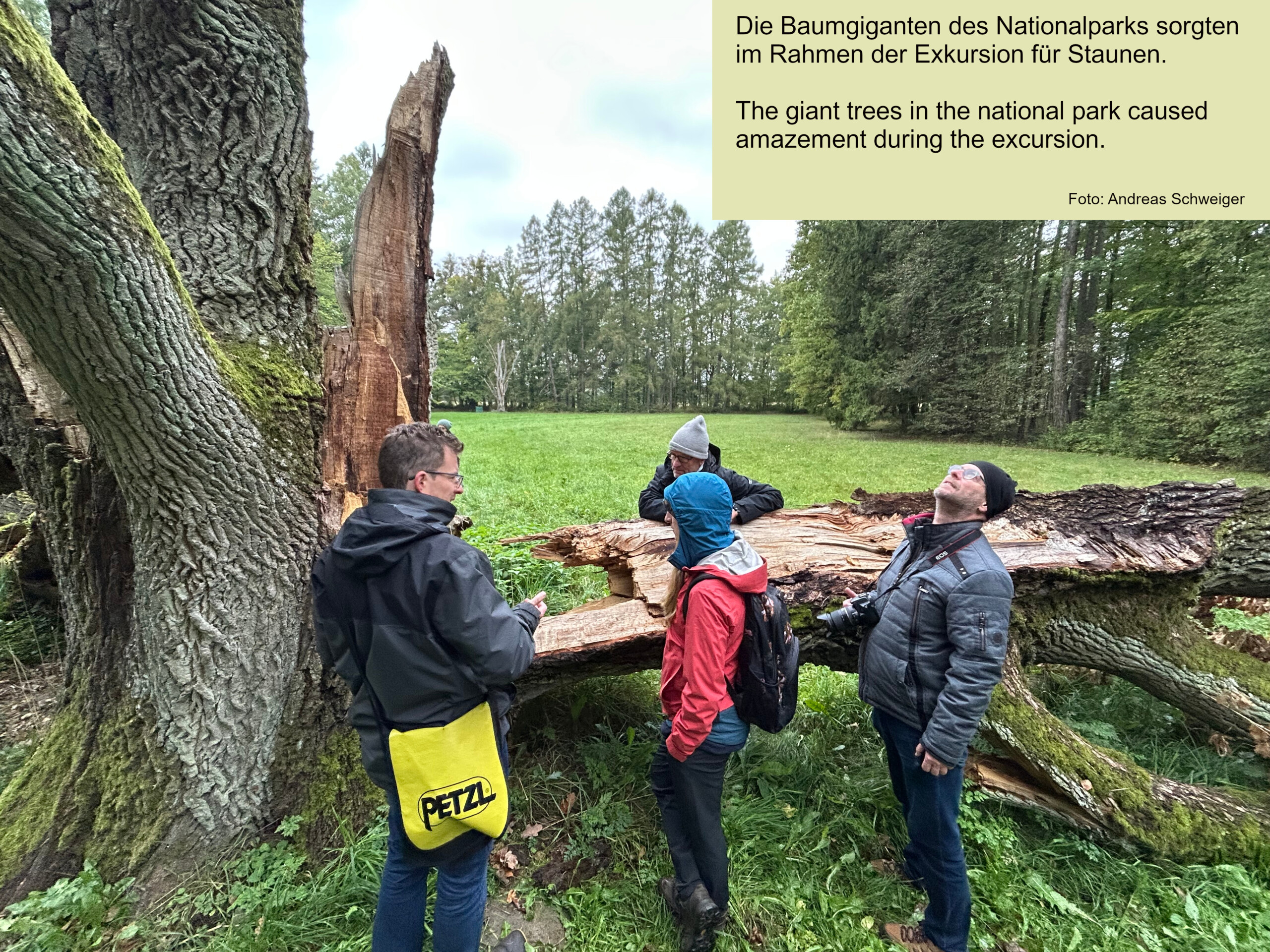
The three rangers, who impressed with their in-depth historical and biological knowledge, had difficulty preventing the enthusiastic groups from straying from the paths and meddling with the diverse flora and fauna. The tree experts were not only impressed by extremely rare fungi such as the Pink Veined Agaric, but particularly awed by the dimensions of the large trees, especially the massive oaks, but also spruces, pines, Norway maples, lindens and ash trees. The in part several hundreds of years old trees, some of which are natural monuments, are around 2 m thick and approximately 40 m high, standing out from the younger stock, which is dominated by hornbeams among other species.
Participants learned that it takes up to 1000 years for a forest to reach the primeval stage and that, contrary to popular belief, primeval forests in temperate climates are not impenetrable and dark, but flooded with light. The rangers went on to explain that natural regeneration is sufficient and that the forest is in a stable equilibrium due to a balance of popoulations of herbivorous fauna such as bison, moose and red deer on the one hand, and predators such as wolves, lynxes and brown bears on the other. However, the populations are threatened by a border fence that was extended as a result of the war in Ukraine, which now even cuts through wetlands, separating the populations from each other.
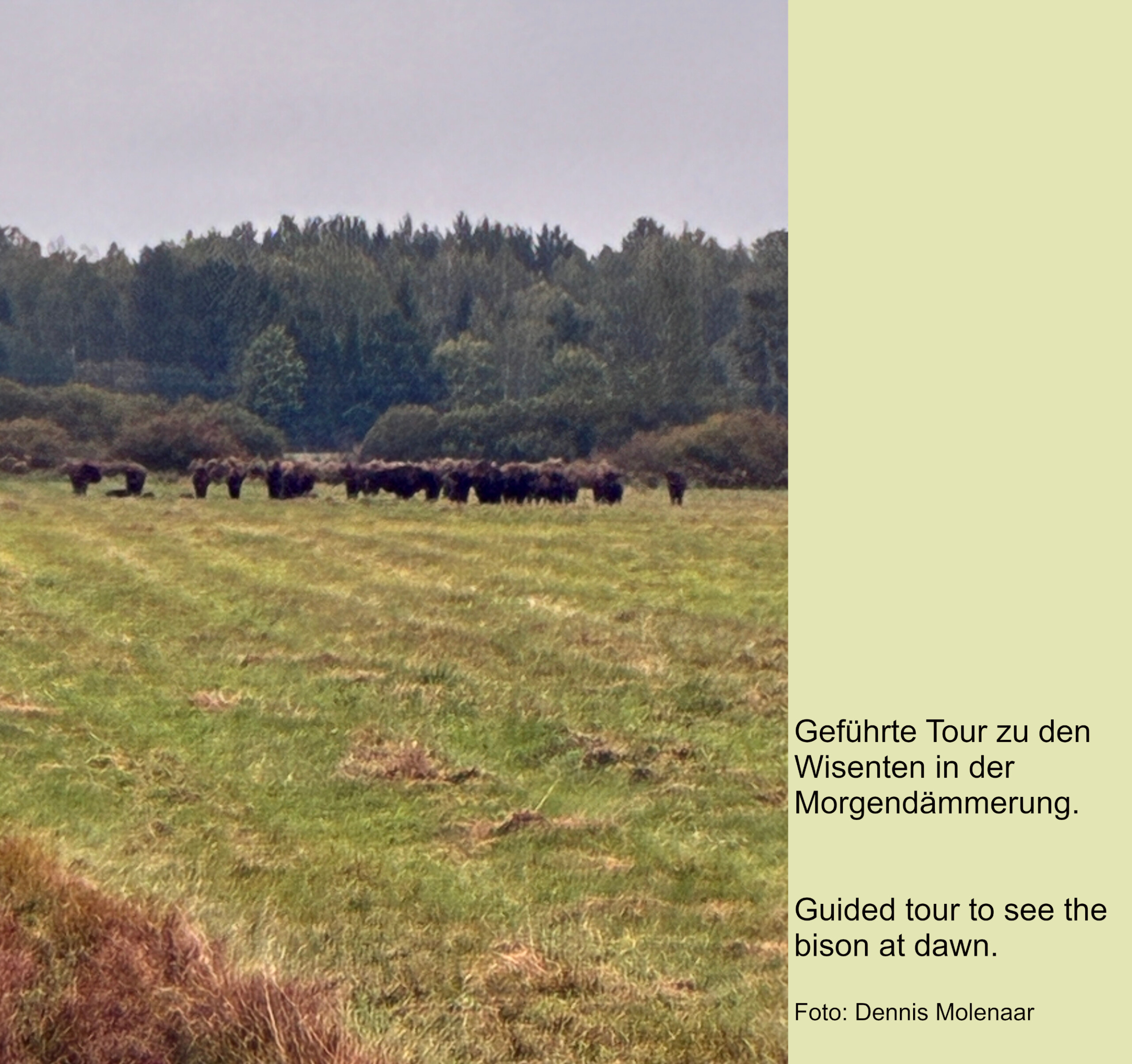
The participants were able to observe the special fauna of Białowieża in the form of wild European bison at dawn during another guided tour. Near the morning grazing grounds at the edge of the forest, the participants learned interesting facts about the lifestyle, breeding and reintroduction of the species, which had been exterminated in the wild at the beginning of the 20th century.
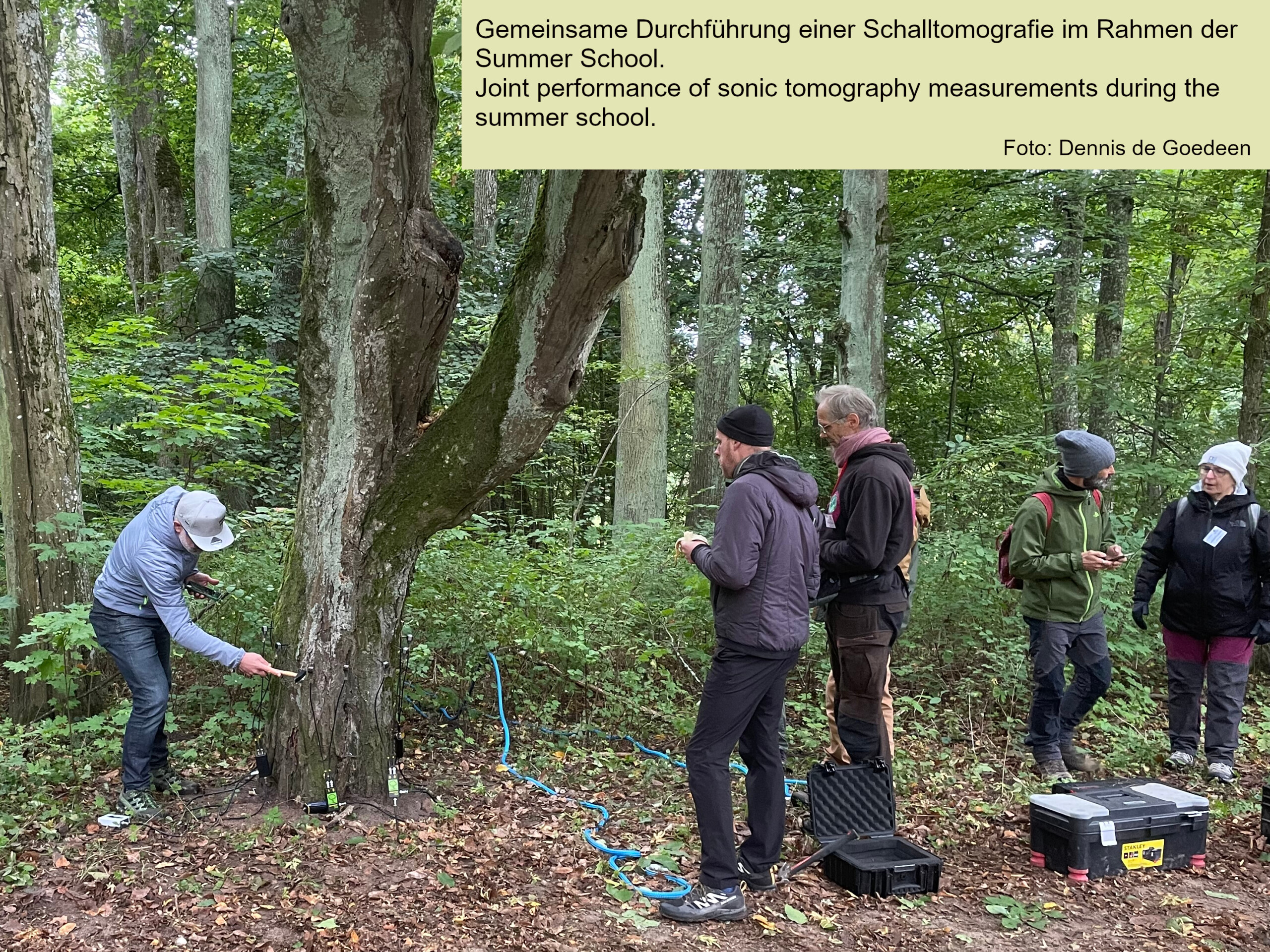
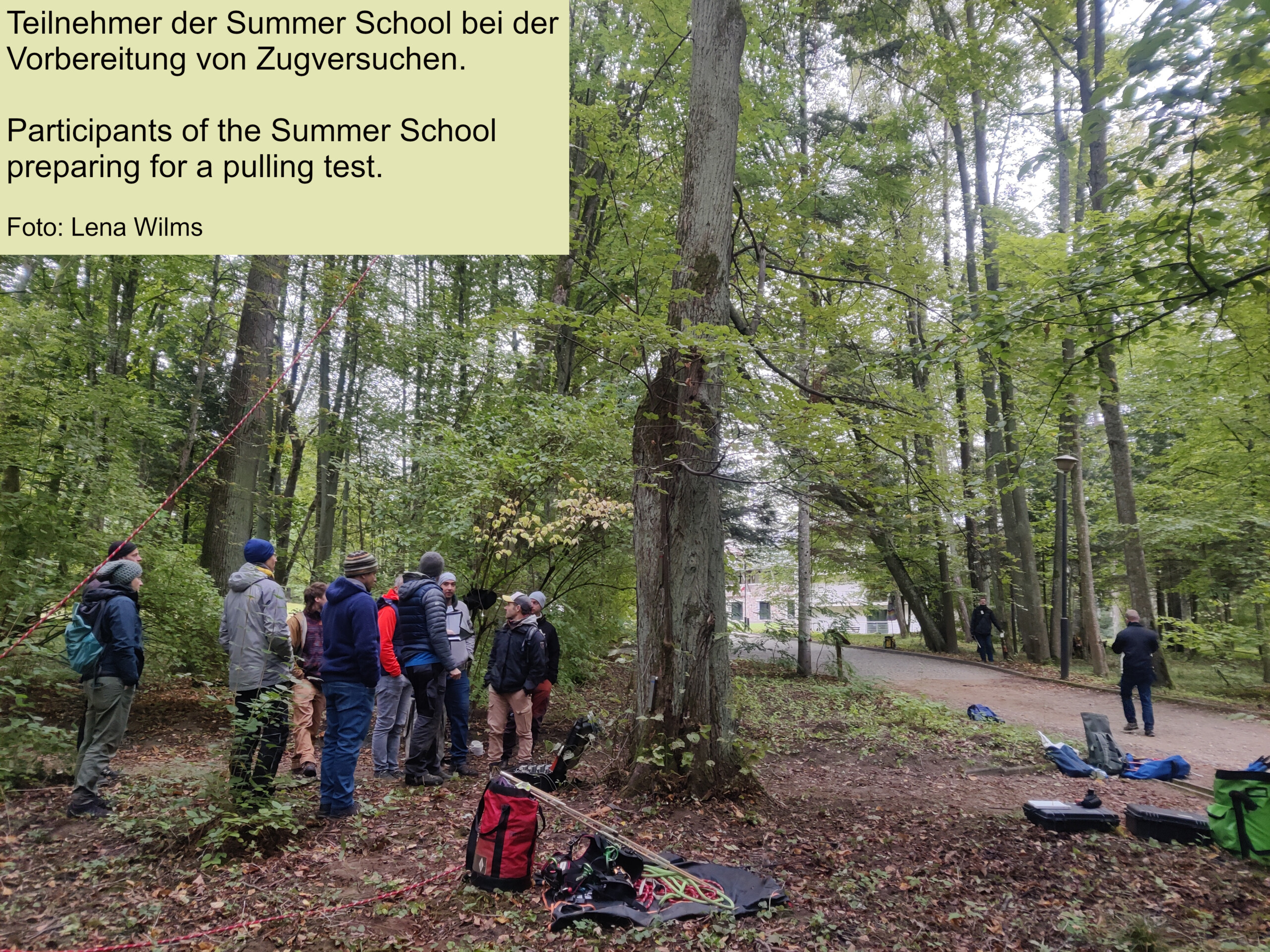
On Monday and Tuesday, the Summer School participants found themselves completely in their element in the former castle park at the National Park House. Divided into several loose groups, they carried out pulling tests and tomographies on selected trees using equipment from different manufacturers such as IML, the SIM Group and the Hungarian manufacturer Fakopp. The focus did not lie on comparing the personal approaches of the respective experts, but on comparing methodologies of the different suppliers. Quite a few were able to pick up helpful tips from their colleagues.
In addition to severely damaged trees, the study primarily focused on slanted specimens, whose statics continue to puzzle experts and whose examination requires consideration of many special features. The measurements were followed by a joint evaluation of the data and presentation of the results. Some topics gave rise to extensive discussions that were not brought to a conclusion during the Summer School. There was agreement that further research is needed.
Particularly noteworthy was the relaxed atmosphere and collaborative planning of the two days, which everyone was able to actively participate in. Several participants gave short lectures or presented case studies to hear the opinions of their colleagues.
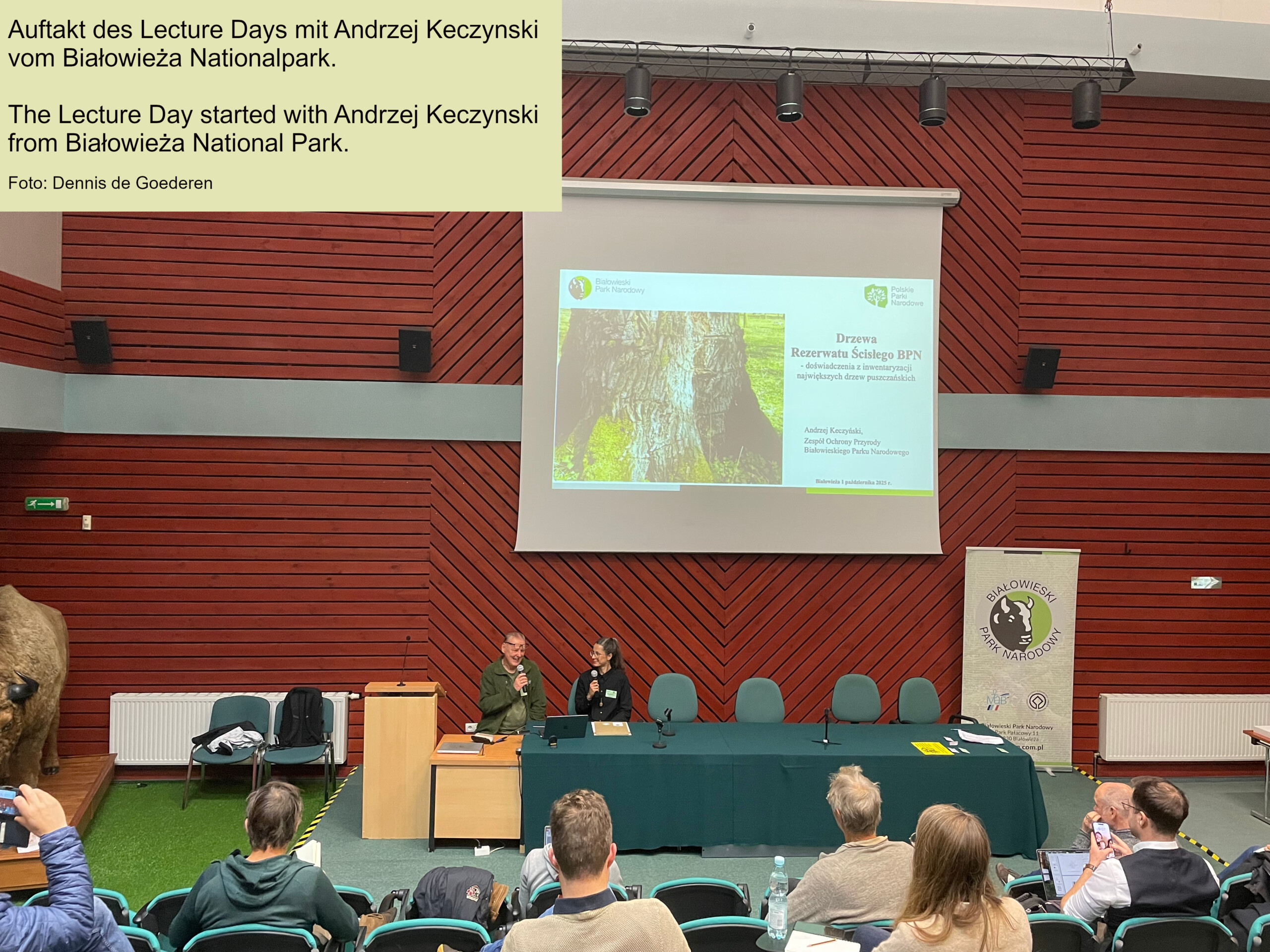
The Summer School culminated on Wednesday in Lecture Day, featuring seven exciting and varied presentations by scientists and tree experts from four countries, some of which were simultaneously translated into English or Polish. Andrzej Keczynski (Białowieża National Park, Poland) started that day with a lecture on the inventory of tree populations in the national park. He was followed by Jerzy Stolarczyk (EkoTrek, Poland), who presented his extensive efforts to preserve Poland’s oldest tree, a yew. After the coffee break, Neville Fay and Paul Muir (Treework Environmental Practice, UK) spoke about the management of veteran and ark trees, pointing out, among other things, the reception of Fay’s concept of ‘retrenchment pruning’ in the professional world and its often incorrect implementation.
After lunch break, Emma Gilmartin (Arboricultural Association, UK) and Valentino Christini (Mendel University Brno, Czechia) presented findings from their research on the composition and distribution of fungal communities in trees and changes in the material properties of green wood as a result of fungal infestation. Christini’s research refutes the widespread assumption that even small mass loss, for example due to infestation by the fire crust fungus, results in a disproportionate loss of bending strength. In the late afternoon, Steffen Rust (HAWK Göttingen) presented research results on the stability of dead trees and eco-trunks, as well as supplementary methods for measuring bending in pulling tests. The day was concluded by expert Wojciech Bobek (Cracow University of Technology, Poland). He presented a number of case studies showing how trees could be preserved after pulling tests by erecting supportive structures.
At the end of the four-day series of events, many participants’ heads were spinning. Particularly pleasing and praised by all were the inclusive approach, the friendly atmosphere, the objective discussions and the professional exchange on an equal footing. This intensive discussion of tree-related topics combined with a flexible programme was already a hallmark of the first SAG Summer School 2022 in Trieste. The concept is to be repeated approximately every three years in future.